
Medically Reviewed by Esteem Dental And Orthodontic Team on September 1, 2024
If you’re considering braces or Invisalign to enhance your smile, it’s important to know that the time commitment for each option varies based on individual needs and orthodontic conditions. Esteem Dental is dedicated to providing you with effective, comfortable treatment that aligns with your lifestyle and goals.
At Esteem Dental, we prioritize your comfort and personalized care throughout treatment. Our team of experienced dental professionals and orthodontists in Winter Garden, FL will help you navigate the differences between braces and Invisalign, offering guidance on the best choice for your situation.
How Long Do Traditional Braces Take?
The average treatment time for traditional braces ranges from 18 months to three years, depending on the complexity of the case and the patient’s age. Traditional metal braces are highly effective for a wide range of dental issues, including significant misalignments and bite problems. These braces use metal brackets and wires that are periodically adjusted to gradually shift teeth into the desired positions.
Several factors specific to braces can influence treatment duration. The type of braces used, whether metal, ceramic, or lingual, can affect how quickly teeth move. Ceramic braces, though more aesthetically pleasing, may require somewhat longer treatment times than metal braces due to their material. The frequency of adjustments, typically scheduled every four to eight weeks, also plays a role in the overall timeline.
How Long Does Invisalign Take?
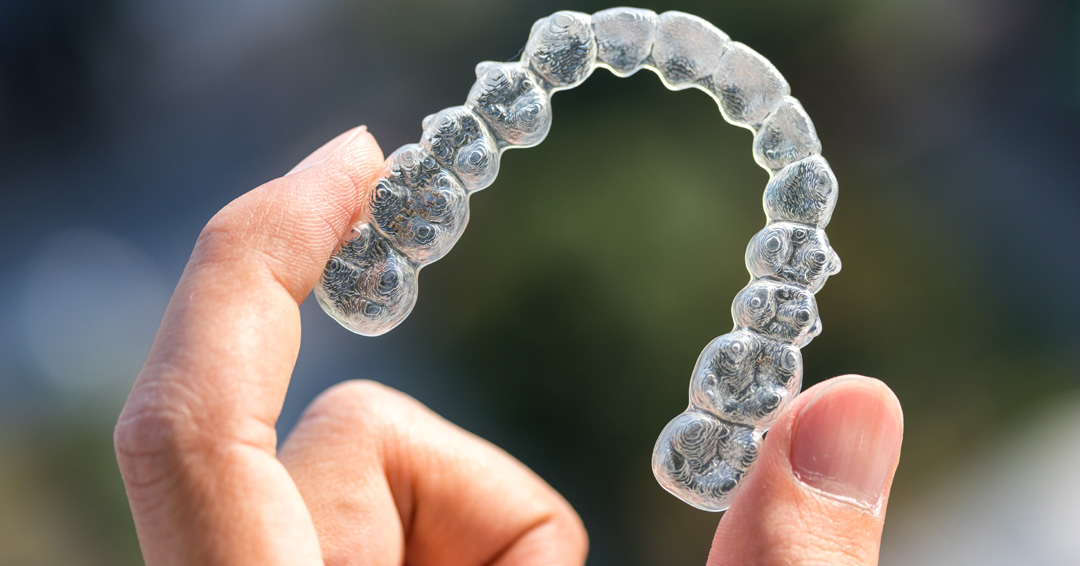
Invisalign treatment generally takes between 12 and 18 months, making it a faster option for many patients compared to traditional braces. Invisalign uses a series of clear, removable aligners that are custom-made for each patient. These aligners are worn 20 to 22 hours per day and changed every one to two weeks to gradually move teeth into their correct positions.
Factors specific to Invisalign that influence treatment duration include patient compliance and the complexity of the case. Since aligners must be worn consistently for at least 20 hours a day, treatment success depends heavily on following that schedule. Complex cases, such as those involving significant tooth rotations or bite adjustments, may extend the treatment period.
How Do Braces and Invisalign Compare in Terms of Treatment Time?
When comparing treatment times, Invisalign often has a shorter duration for simpler cases, largely due to the precise, controlled movement of teeth with custom aligners. Traditional braces, however, may still be more effective for complex cases that need comprehensive and continuous adjustment.
Both treatment methods have their pros and cons. Braces are typically more effective for treating severe dental issues, but they are also more noticeable and may cause discomfort due to the metal brackets and wires. Invisalign offers a nearly invisible option that is more comfortable and convenient since the aligners can be removed, but it requires a high level of patient compliance to be effective.
How Esteem Dental Can Help Keep Your Smile Healthy and Radiant
At Esteem Dental, we understand that choosing between braces and Invisalign is a significant decision, and we are here to guide you through the process. Our experienced team, led by Dr. Jordan Jones, provides personalized treatment plans tailored to your unique needs.
We take pride in serving the Lake Nona community with orthodontic care that prioritizes your overall experience. Discover the Esteem Dental difference today by filling out our contact form.
Frequently Asked Questions About Braces and Invisalign Timelines
Can I switch from braces to Invisalign partway through treatment?
In some cases, yes, particularly once significant tooth movement has already been achieved with braces. Your orthodontist can evaluate whether switching makes sense for your specific case.
Does not wearing Invisalign enough add time to treatment?
Yes. Falling short of the recommended 20 to 22 hours a day slows tooth movement and can extend the total treatment timeline beyond the original estimate.
Why do some cases need braces instead of Invisalign?
Cases with significant tooth rotation, severe bite discrepancies, or complex movements sometimes respond more predictably to the continuous force of braces than to a series of removable aligners.
Do adults take longer to complete treatment than teens?
Not necessarily, but adult jawbones have finished growing, which can sometimes mean slower tooth movement compared to a growing teenager’s bone structure. Case complexity typically matters more than age alone.
Will I need to wear a retainer after either treatment?
Yes, retention is part of both treatment types. Teeth continue to have a tendency to shift after active treatment ends, so a retainer is needed regardless of whether you chose braces or Invisalign.

Dr. Jordan Jones, DDS
Dr. Jordan Jones leads the experienced team at Esteem Dental, providing comprehensive family dental care to the Winter Garden and Lake Nona communities. With a focus on general dentistry, pediatric care, and orthodontics, Dr. Jones combines advanced techniques with a compassionate approach to ensure every patient receives personalized, quality treatment in a comfortable environment.
✓ Medically Reviewed
